
What came in, and what went back out
A recycling facility is judged on what it accepts and what it sends on. Heavy Tech records both against the same ticket — the EWC code on the way in, the recovery code on the way out — so the year-end figure is a query rather than a reconstruction.
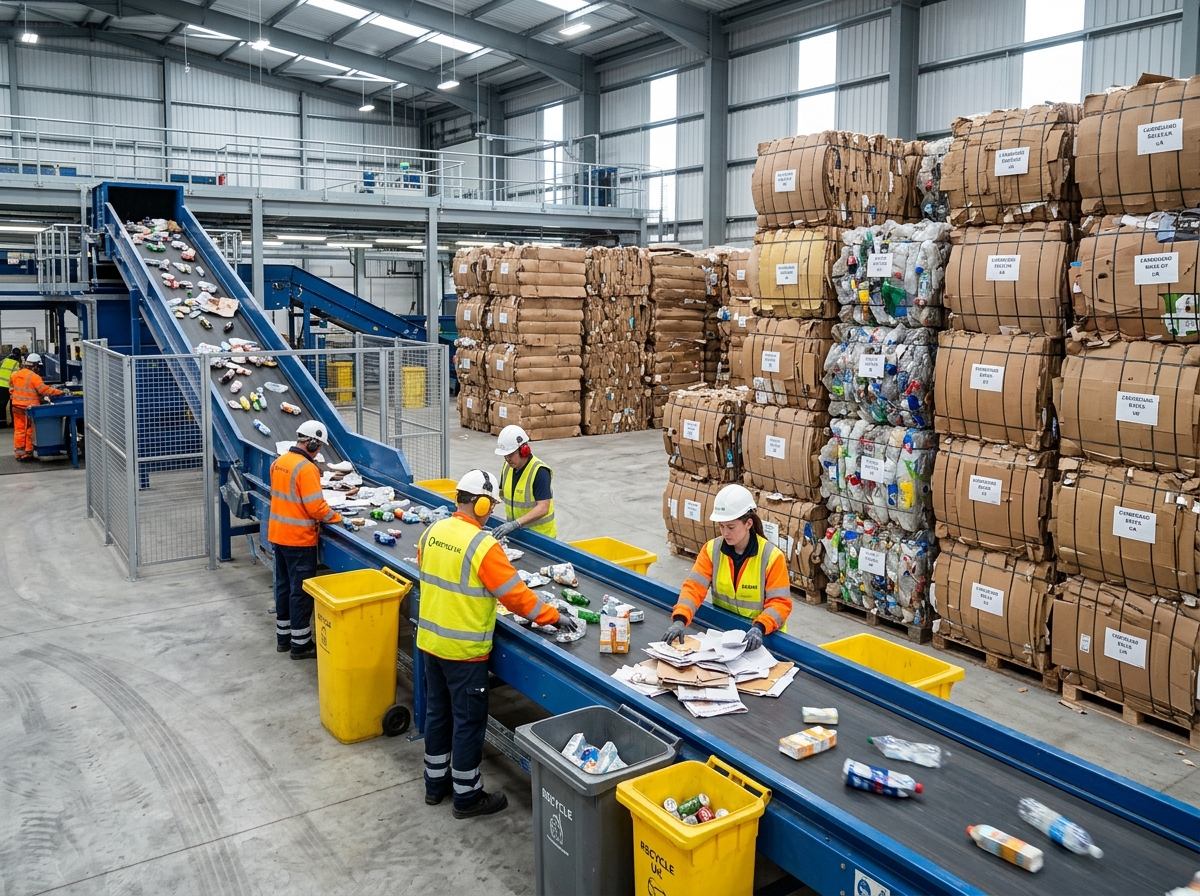
A diversion rate is only as good as the intake record
A recycling facility is judged on the relationship between what it accepts and what it sends on for recovery. That number is reported annually and scrutinised occasionally, and in a lot of operations it is assembled at the end of the year from tickets, memory and a spreadsheet nobody enjoys.
The problem is not the reporting. It is that the classification happens too late. If a load is described properly at the moment it is weighed — EWC code, physical form, container type — then the annual figure is a query. If it is described afterwards, from a paper ticket, by someone who was not there, it is an estimate with a confident font.
Heavy Tech records both directions against the same system: the EWC code on the way in, the recovery code on the way out.
What tends to be hard
- Mixed loads classified correctly at the point they are weighed, not afterwards
- Outbound material tracked with its recovery code alongside inbound receipts
- Rejected and contaminated loads recorded rather than quietly re-weighed
- Digital waste tracking filed on time for every permitted intake
- Reporting that holds up when the regulator asks for the working
How it runs on a materials facility
Intake
Weighed in and out, classified by EWC code, and priced against the customer’s rate — one record, at the gate. See weighbridge.
Outbound
Material leaving the site recorded with its own recovery code, so the year’s figures are a query rather than an exercise in matching tickets.
Filing
Complete receipts submitted in the 20:00 run. The day’s re-weighs, corrections and voids never become permanent records. See waste compliance.
Collections
Round-based collections from customer sites, planned on a calendar and signed for at the kerb. See routes and deliveries.
Questions we get asked
How is inbound material classified?
By EWC code on the ticket, at the point the load is weighed, alongside the physical form, the container type and the number of containers. Classifying at the bridge rather than afterwards is what makes the rest of it work.
Does it track outbound material as well as inbound?
Yes. Outbound waste is recorded separately from receipts, with its own disposal or recovery code, so what left the site sits alongside what arrived.
What about contaminated or rejected loads?
They are recorded rather than quietly re-weighed. A ticket can be voided on the day it was raised, and because nothing files to DEFRA until the evening, a same-day void never reaches the permanent record.
Can it produce figures for the regulator?
The data is there to query: tonnage by EWC code, by site, by period, by customer. The jobs report and per-site dashboards cover the routine questions; anything unusual is a query against a complete record rather than a reconstruction from tickets.
Does a recycling facility have to file digital waste movements?
If it holds a permit and receives waste, yes — within two working days of receipt. Heavy Tech files from the ticket you already raise. How the filing run works.
Can we run several facilities from one system?
Yes. Sites, permits and waste defaults are held per site, users are scoped to the sites they work on, and reporting rolls up across all of them.