
Every tonne weighed, priced and filed
Transfer stations and landfill sites carry a permit, an annual tonnage limit and, since digital waste tracking became compulsory, a two-working-day filing duty on every load they accept. Heavy Tech weighs the load, prices it and files it.
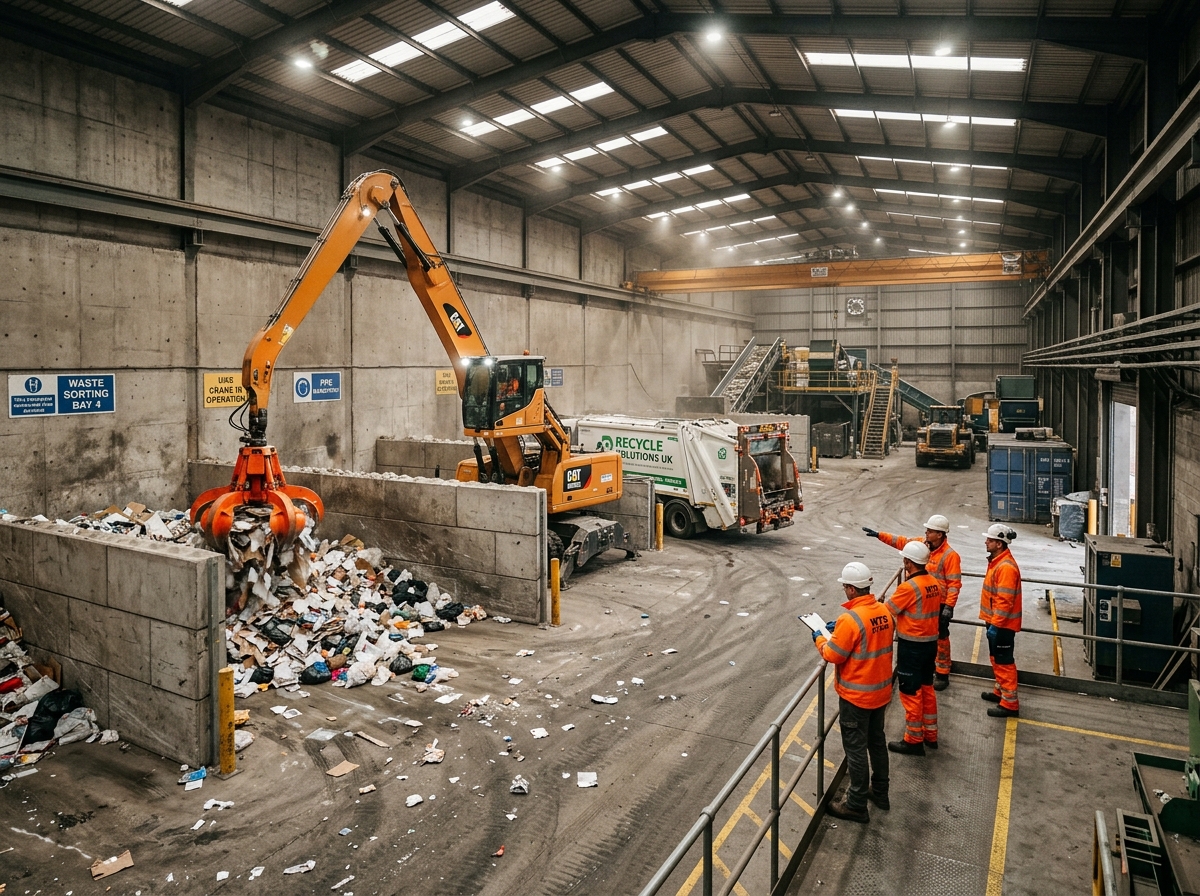
The paperwork became a deadline
Digital waste tracking turned a filing cabinet into a clock. Every load a permitted site accepts has to reach the service within two working days of receipt, and once a movement is filed it cannot be deleted — only amended, on a permanent record attached to your permit.
That changes what a weighbridge system has to be. It is no longer enough to capture a weight and produce an invoice. The ticket has to carry the classification, the carrier and the producer, it has to know whether it is actually finished, and something has to be accountable for getting it filed on time.
Heavy Tech builds the submission from the ticket the weighbridge already raises, holds it while the day is still moving, and files the complete ones in a single evening run.
What tends to be hard
- Filing every receipt with the digital waste tracking service inside two working days
- Keeping annual tonnage inside what each permit allows, across more than one site
- Consignment codes and hazard codes on loads that need them, before the lorry tips
- Weighbridge tickets reconciled against invoices without a month-end spreadsheet
- Answering an Environment Agency question about a load taken eleven months ago
How it runs on a transfer station
Taking a load in
The lorry weighs in and out, the net is worked out, and the product, customer and contract resolve the rate. The same ticket carries the EWC code, the recovery code and the producer detail that the movement record needs.
Filing it
Nothing goes to DEFRA during the day. At 20:00 every complete, unvoided ticket is submitted. The day’s re-weighs and corrections never reach the permanent record. How the run works.
Staying inside the permit
Permits hold an annual tonnage and the EWC codes the site is allowed to accept, so what has been taken this year against what is allowed is a question the system can answer.
Billing it
Closed tickets are grouped by customer across a date range and turned into a PDF, priced from the rates that were already on them. See invoicing.
Questions we get asked
Do we have to file waste movements digitally?
Yes. Sites that receive, carry or produce waste in the UK now file each movement to the digital waste tracking service. The record carries the EWC code, the weight, the carrier and the producer, and it has to arrive within two working days of receipt.
What happens if a submission is rejected?
It has to be corrected inside the same two-working-day window. A rejection arriving in the evening will not be seen that night, but it appears on the next morning’s digest with two working days still to run.
How does Heavy Tech track permit tonnage?
Each site holds its permits with a licence number, an annual tonnage figure and the list of products the permit accepts. Loads are recorded against the site, so the year-to-date figure is a query rather than a reconstruction.
Can it handle hazardous waste?
Yes, in a separate queue. Hazard codes, hazardous remarks and a waste consignment code are held on the ticket, and the consignment code is required and enforced on the EWC codes that need one.
Can we run more than one permitted site?
Yes. Sites, permits, surcharges and waste defaults are per site, each receiving site files under its own API key against its own permit, and users are scoped to the sites they work on.
What does it cost?
It depends on the sites, the modules and the fleet. Get in touch and we will quote against your operation rather than a price list.